
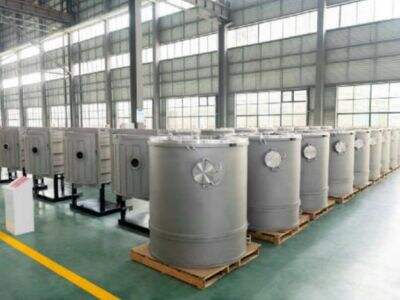
Semiconductors are very important in technology. Miniature bits of material, they can manipulate electricity in things like smartphones, computers and maybe even some of the cars that we drive. To help these semiconductors perform better, scientists often use a technique known as thin film deposition. Which is where a semiconductor vacuum chamber comes into play. A vacuum chamber is a room from which the air has been removed to make a vacuum. This is used to deposit ultra thin films of substances at a semiconductor surfaces. Manufacturers such as Changzhou Lemeng design and manufacture top rated vacuum chambers which enable this technology to be established. And in these Ultra High Vacuum Chamber, conditions are ripe for semiconductors to be both more effective and more reliable.
How Vacuum Chamber Thin Film Deposition Can Improve The Performance of a Semiconductor?
Thin film deposition is just a fancy way of saying that we add very thin layers of stuff (material) onto something. In semiconductors that can be the difference between something that works well and something that doesn't. When the deposition occurs in a vacuum chamber, both of these conditions are very much improved. First, sucking air and other gases out of the Semiconductor vacuum chamber prevents any stray gas from meeting up with your deposition and screwing things up. This growth on a free surface makes the atomic structure of the added layers better-defined in ambient like this. Better performance in semiconductors can mean a uniformed layer. In addition, the thin films produced are typically of the order of a few nanometers in thickness i. e. less than the diameter of a human hair! Semiconductors are able to operate at smaller and smaller sizes, thanks to this precision, which is great for new technologies like smartphones and wearable devices.
While here at Changzhou Lemeng, we understand that the use of these vacuum chambers is also useful for mixing various materials together in an unconventional way. For instance, you might deposit one layer of material that’s good at conducting electricity but another layer that functions as a barrier to interference. In this way, semiconductors can process more tasks at a time without failing. We also know that the speed and temperature during deposition play a role in how well these layers perform. If all goes well, the final product is generally faster, uses less energy and lasts longer. The impact of thin film growth on the semiconductor devices is enormous. It powers every electronic device we rely on, and helps make our days easier and more productive.
Where to Get the Best Vacuum Chambers for Your Thin Film Deposition Requirements?
Without the right vacuum chamber, it’s impossible to make great semiconductors with thin film deposition. We excel in constructing them with fine engineering and craftsmanship. Our Vacuum chamber also keep an accuracy atmosphere, and is necessary for success in depositing thin films. They include the proper features, such as easy-to-use pressure and temperature controls, that make sure users have ideal conditions for their differing projects.
But where else might you find these vacuum chambers? But increasingly you may be able to turn to makers who are well-known for having experience in the market. Before purchasing an item, it’s a good idea to read online reviews and get in touch with experts or ask friends for recommendations. On occasion, at trade shows you can get introduced to other companies that showcase their technology. Sometimes you can get some good word of mouth amongst people from fellow industry types too. Ensure the supplier has a good reputation, not just for quality equipment but ongoing support - vacuum chambers require maintenance. In summary, finding the proper vacuum chamber could be what separates a good deposition process from one that doesn’t yield well made semiconductors. When you do make the right decision, the rewards can last for years.
Where to Look for Semiconductor Vacuum Chamber Wholesale Supplier?
If you need to find semiconductor vacuum chambers, one of the best places to look is on the Web. Most wholesale suppliers have websites you can check for product and pricing information. You will want to find suppliers that have a focus on vacuum technology and thin film deposition. One such option is to look up at company websites like "Changzhou Lemeng", renowned for providing top quality vacuum chambers. Many have quite comprehensive catalogs of their products to help you decide which chamber is right for you.
You may also consider looking on online marketplaces for industrial equipment. These sites usually have listings from several suppliers, so you can compare prices and read customer reviews. Reviews are important because they can tell you if the supplier is reliable. You can also find local provider by doing a search in your location, or through trade shows where many companies showcase their gear. With these gathering you will be able to view the chambers first hand and speak directly with sales representatives, providing you an opportunity for more details that may help steer you in a better direction.
But don’t skip looking into the warranty and customer service package when you choose a supplier. A strong warranty indicates that the supplier believes in their product. Good after-sales service: if something goes wrong with the vacuum chamber later, you do not want to go looking for a seller that will not help you. Finally, if you are trying to source a vacuum chambers for schools or university projects, research centers and industrial purposes; finding the right supplier is equally as important in securing real value for your dollar.
Managing Vacuum Chamber Problems in Thin Film Deposition
Vacuum chambers are essential for the deposition of thin films, but sometimes they don’t fare so well. And if you want to keep your work from screeching to a halt, it’s useful to know how troubleshoot these problems. First, if it appears that the vacuum chamber cannot achieve satisfactory levels of vacuum, make sure that the seals are good. The seals act like gaskets, preventing air from entering the chamber. If they are broken or worn, the chamber can’t hold the vacuum. Check these washers for cracks or leaks. If you discover problems, the seals are generally a good thing to fix.
Next, look at the pump system. It is the pump that actually evacuates the vacuum chamber. If a pump sounds funny or doesn’t perform well, it might need servicing. That might mean cleaning filters or looking for leaks in the pump lines. Pump maintenance Maintaining the pump is essential to help prevent issues and keep the chamber working properly.
A further frequent problem is the non-homogeneous deposition of the film. This occurs if the substrate within the vacuum chamber is improperly situated. Make certain the supporting surface or substrate is mounted firmly and evenly within the chamber. Sometimes altering the angles or positions can help achieve a more even film. If you see defects after adjusting the substrate, try to figure out other parameters like temperature and gas flows that might be impacting how well you are depositing your thin film. To prevent would be and troubleshoot thin film deposition problems, there’s plenty you can do.
Extreme Semiconductor Vacuum Technologies
In the ever evolving world of semiconductor vacuum technology, staying on top of industry news is a key component for anyone involved in thin film deposition. Energy saving In recent years, an important trend has been the progressive introduction of vacuum systems with higher energy efficiency. Many firms, like “Changzhou Lemeng,” are on the way of devoping such pump and chambers with reduced energy costs performing at high levels. Not only does this assist in minimizing operational costs overall, it’s green for the environment.
Another trend is the use of new materials for vacuum chamber design. Engineers are now using modern materials that are stronger yet lighter and offer less deterioration to the chambers. They can also withstand higher temperatures, so additional processes may now be conducted within the chambers. These all serve to enhance the performance and longevity of the chambers, ultimately resulting in benefits for end users.
Semantic Automation is increasingly an important aspect of semiconductor vacuum technology. Most modern vacuum chambers include a computerized control installation and users can simply observe or manipulate the parameters of their choice. This translates to faster setups, fewer errors that arise from human variability and more reliable results in film deposition. It is also useful in research and industrial applications where precision is essential.
Finally, Industry 4.0 has led to changes in the way vacuum technology is being created and applied.” It is the concept of linking machines through smart devices and Internet to exchange data. Consequently, vacuum chambers are created with sensors that can help provide data as it happens about the performance. This makes it easier to keep track of and faster to troubleshoot. In general, being in the know of these trends will put you in a better position to decide how and when to utilize a semiconductor vacuum chamber in thin film deposition.
Table of Contents
- How Vacuum Chamber Thin Film Deposition Can Improve The Performance of a Semiconductor?
- Where to Get the Best Vacuum Chambers for Your Thin Film Deposition Requirements?
- Where to Look for Semiconductor Vacuum Chamber Wholesale Supplier?
- Managing Vacuum Chamber Problems in Thin Film Deposition
- Extreme Semiconductor Vacuum Technologies